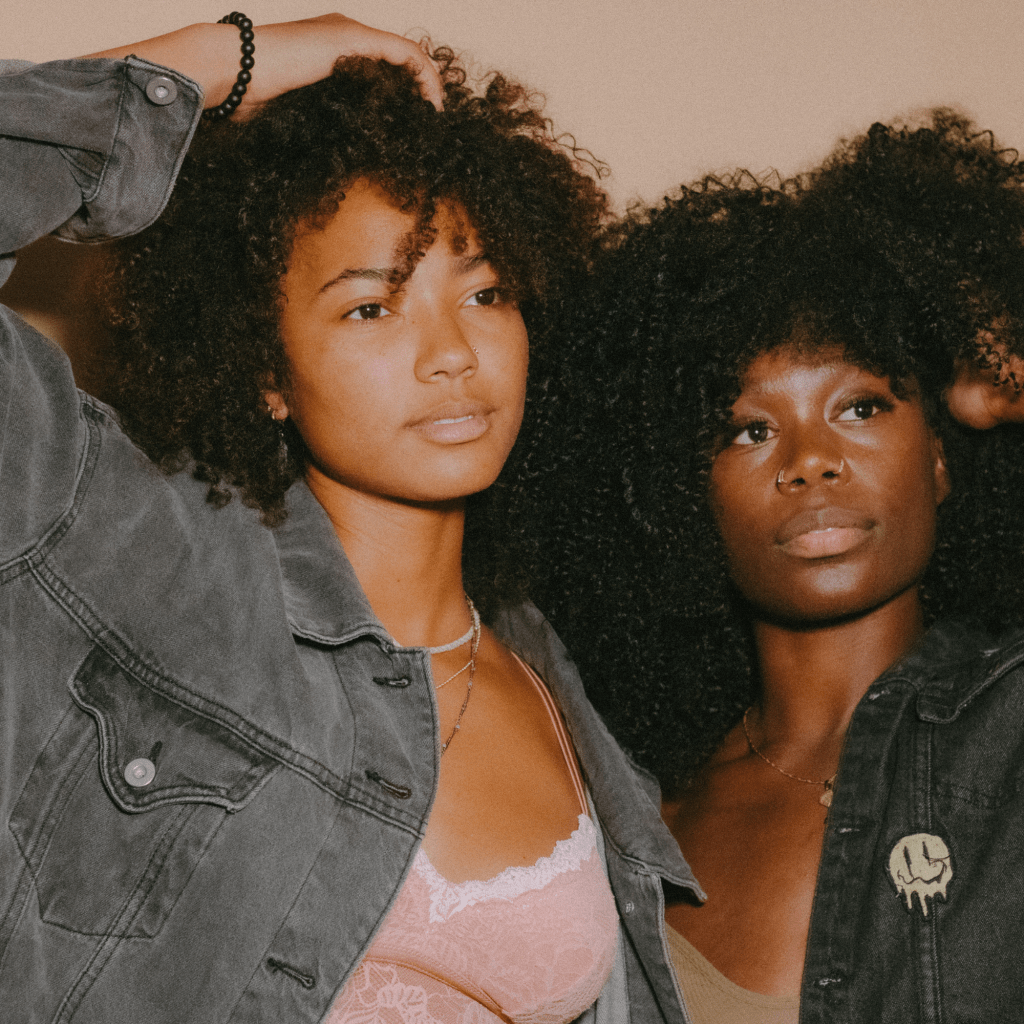
This is precisely the time when artists go to work. There is no time for despair, no place for self-pity, no need for silence, no room for fear. We speak, we write, we do language. That is how civilizations heal. – Toni Morrison
It can feel like in this time, when resistance against tyranny is so high, that there is no place for art. No place for writing. No place for creativity. Because of the heightened sense of fear and stress associated with living under federal occupation, domestic terrorization, and constant surveillance, it may feel as if it doesn’t make sense to create beautiful works of art. Other things, like resisting, protesting, supporting the growing needs in our community, and just trying to survive with our humanity intact, feel most pressing.
And yet, we must remember that it was during some really dark days in our nation’s history when Black arts thrived. Think about the origins of Blues and Jazz, emerging in the South during the 19th and 20th centuries. In his article, the Historical Roots of Blues Music, Lamont Pearly Sr. tells us
The beginnings of the blues can be traced to the late 1860s, arguably the most vicious and violent period in the United States. Vigilante justice was at an all-time high, and by 1889, the lynching of African Americans surged dramatically. The bluesman and blueswoman emerged in this difficult period, along with the stories of folk heroes translated to song and the new venues in which the music would be performed.
The same can be said of the Harlem Renaissance, emerging in the aftermath of one of the most racist films, Birth of a Nation, which intensified the racial violence against Blacks not only in the South but in the North as well. Even in the presence of significant hostility, Black artists went to work to create poetry, prose, painting, music, and dance. Artists during this time period included but are not limited to Langston Hughes, Zora Neale Hurston, Cab Calloway, Josphefine Baker, Paul Robeson, and Countee Cullen. Together, these artists created a “realistic representation of what it meant to be Black in America,” in addition to elevating a cadre of people who were determined to assert their civil and political rights.
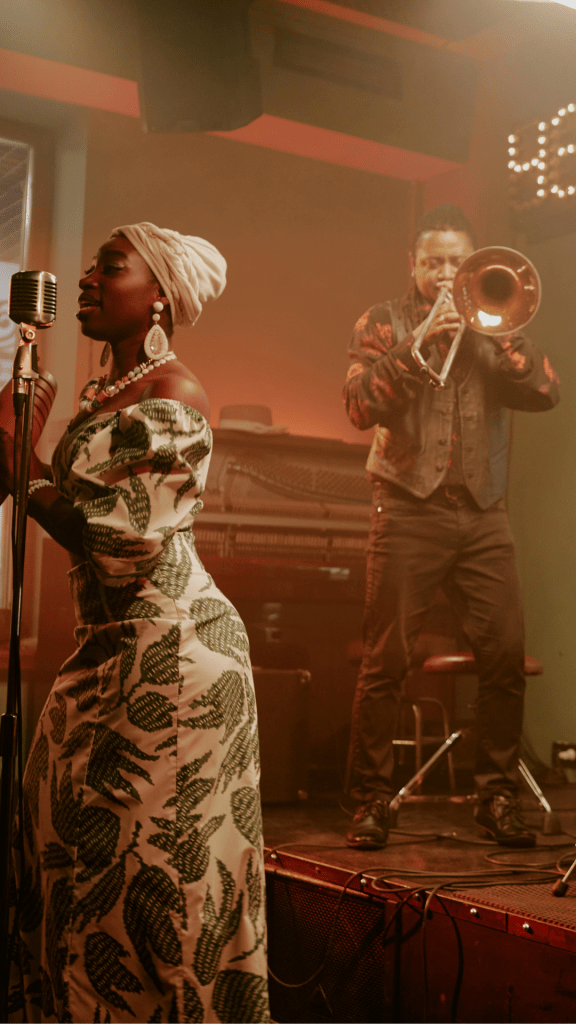
And we cannot forget about the art that emerged during the revolutionary Black movements of the 60s and 70s. Here, I think most specifically of the Black Artist Movement that advanced Civil Rights, celebrated Black history, and embodied the struggle for self-determination. This included artists like Amiri Baraka, Nikki Giovanni, Sonia Sanchez, Lorraine Hansberry, James Baldwin and more.
When I think about the legacy of Black art, when and how it emerged and continues to emerge in the midst of struggle, I understand exactly what our ancestor Toni Morrison articulated: now is the time, NOW, when artists get to work. Now is the time when artists, full of their sense of calling and purpose, lean into their creative practices so that we may heal. We also lean into these practices to carry our culture forward – creating, archiving, writing, storytelling, so that we will remember who we have always been as well as preserve that memory for those coming after us.
This is where Aya Collective Publishing thrives. For the last eight years, we have been committed to writing in community with Black women. We have prioritized coming together to tell and publish our stories and share those stories with our community. And we will keep doing this work, even when we are unsure about what lies ahead.
So we want to encourage you, in the face of these threats, to keep writing. And if you haven’t built a practice around writing yet, it is not too late to do so. That practice could be as small as daily journal writing, or could involve developing a full manuscript of poetry and essays to share with our community. Wherever you are in your stage of writing, we encourage you to keep moving forward, understanding that our sense of creativity is a divine call that cannot be extinguished. In the face of violence, that calling endures. And it liberates.
Keep writing and creating. And as you do, continue to support Aya Collective Publishing’s work. We exist, and have always existed, because of the support of our community of writers and folks who support our writers. Here are three ways you can stand by our work today:
- Participate in our writing community. Check out our online portal, She Writes Holy, for our weekly writing prompts as well as information about our Sacred Saturdays.
- Purchase one of our books, including our recently published text, Remembered and Living Text: Black Women Living with Endometriosis.
- Donate and/or become a member of Aya Collective Publishing to support the ongoing work of our organization.
 Aya Collective Publishing
Leave a comment